
Contact Us
What is the difference between aluminum and aluminum composite panel?
What is the difference between aluminum and aluminum composite panel?
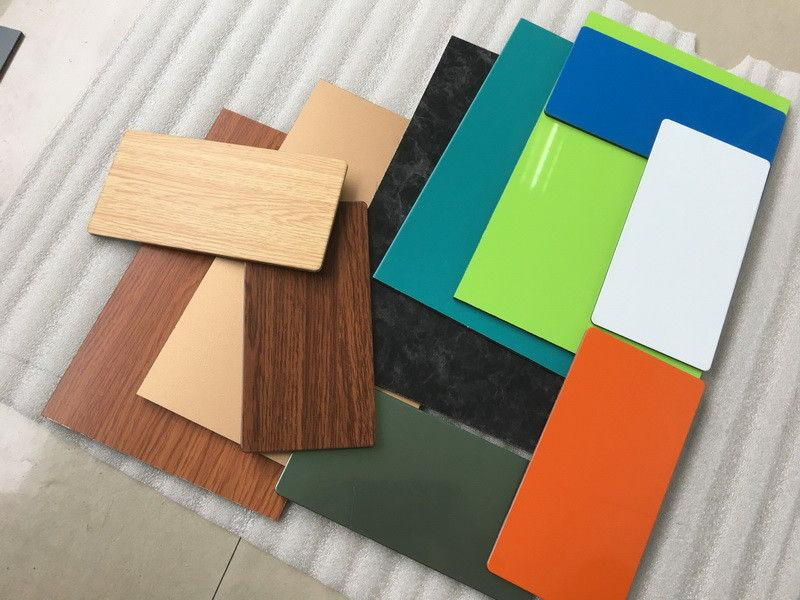
1. The number of layers is different, and the aluminum veneer is divided into two layers. The surface layer is made of aluminum skin, the second layer is made of plastic, and the aluminum-plastic veneer is divided into three layers: the surface layer and the third layer are all made of aluminum skin, and the middle layer is made of plastic, which means that the aluminum-plastic veneer has an additional layer of aluminum skin than the aluminum veneer.
2. The quality is different because aluminum veneers have one less layer of aluminum skin than aluminum composite panels, so the quality of aluminum veneers is definitely worse than that of aluminum composite panels.
3. The prices are different, and aluminum veneer is cheaper than aluminum-plastic veneer. Aluminum veneer is positioned as a low-end product, and aluminum-plastic veneer is divided into different grades based on the thickness of the aluminum skin and the quality and thickness of the middle plastic. However, it is definitely better or more expensive than aluminum veneer.
4. The construction effect is different, and even better aluminum composite panels can be grooved, bent, and turned for construction, suitable for various occasions. However, aluminum veneers cannot be grooved or bent, and due to the bottom being made of plastic, the bonding effect is not as good as aluminum composite panels.
5. The processing technology is different. Aluminum veneer production is divided into two steps, namely sheet metal processing and manual spraying. Sheet metal processing is the process of processing flat aluminum veneer into the shape and size required for construction; Artificial spraying is the process of spraying paint on processed sheet metal. The roller coating of aluminum composite panels must reach a certain amount before processing. The processing of aluminum composite panels mainly includes four major processes: formation, coating, lamination, and trimming. Except for trimming, all four processes are automated production.
6. The materials used are different. Aluminum veneer generally uses 2-4mm thick AA1100 pure aluminum plate or high-quality aluminum alloy plate such as AA3003. In China, 2.5mm thick AA3003 aluminum alloy plate is generally used; Aluminum plastic composite panels generally adopt a 3-4mm three-layer structure, including two 0.5mm upper and lower layers sandwiched with PVC or PE.
7. The lightning resistance performance is different. Aluminum veneers are prone to melting at lightning strikes, while aluminum composite panels have better lightning resistance than aluminum veneers due to the good insulation of the polyethylene core layer in the middle, and the damage caused by lightning strikes is limited to the skin.
8. Different fire protection characteristics. Aluminum veneer is metallic and non combustible; Although the addition of non-toxic and flame-retardant materials greatly improves the fire resistance of aluminum composite panels, they are still prone to combustion.
Contact Us
Email: sales@jibond.com
Address: Intersection of Liu Niu Road and North of Guang'an Road, East District, Guangde Development Zone, Xinhang Town, Guangde City, Xuancheng City, Anhui Province
Service Hotline:



Follow us

Message